
Cyprus weather in short
On the south coast, summers are hot and almost rain-free. Winters are mild but wetter. Spring and autumn have lower daytime highs than midsummer, and that is why many visitors who want to walk or sightsee pick those seasons. Which month is best depends on what you want to do and how well you handle heat.
The table below shows climate averages, not a forecast. The air figures are long-term values for the south coast, measured at the Larnaca Airport station, for the reference period 1981–2010 from the Department of Meteorology. Newer averages may differ a little. Mountains and the north coast have their own climate, so do not use this table to pack for the Troodos.
Monthly averages for the south coast
Air: mean daily high and low and mean monthly rain, 1981–2010. Sea: older averages for Limassol, use as a rough guide only.
| Month | High °C | Low °C | Rain mm | Sea °C |
|---|---|---|---|---|
| January | 16.8 | 7.5 | 73.7 | 15.1 |
| February | 17.0 | 7.1 | 50.3 | 15.4 |
| March | 19.3 | 8.6 | 35.8 | 15.4 |
| April | 22.7 | 11.8 | 14.2 | 16.8 |
| May | 26.4 | 15.7 | 9.8 | 17.8 |
| June | 30.2 | 19.4 | 2.0 | 21.5 |
| July | 32.5 | 22.0 | 0.5 | 23.5 |
| August | 32.9 | 22.3 | 0.3 | 25.5 |
| September | 30.9 | 19.8 | 4.3 | 24.2 |
| October | 27.8 | 16.7 | 16.0 | 23.0 |
| November | 22.6 | 12.4 | 46.8 | 18.5 |
| December | 18.6 | 9.2 | 79.0 | 17.8 |
In the mountains the picture changes. At the Prodromos station the January average is a high of 6.3 °C and a low of 0.7 °C, with 150.0 mm of rain. In July it is 27.9 °C and 18.2 °C, with 16.4 mm.
Cyprus tours and day trips
Boat trips, mountain days and guided visits across the island, with live prices and availability.
What each season means for your trip
Figures are from the table above.
Winter, December to February
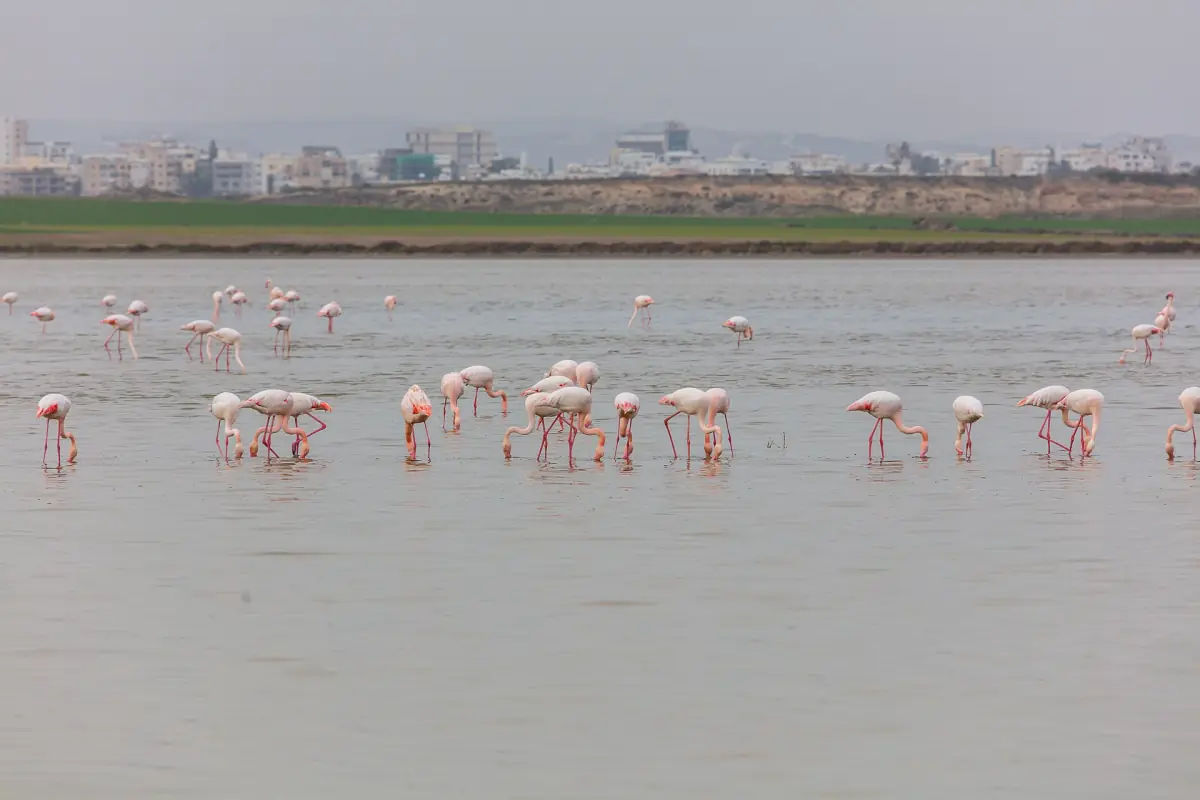
Highs are about 17 to 19 °C and the sea is 15 to 18 °C. This is the wettest part of the year. Flamingos spend the winter at the Larnaca Salt Lake from November to March, though a sighting is never guaranteed. Archaeological sites run on winter hours from 16 September to 15 April, for example 08:30–17:00 at the Paphos park and Kourion. The Troodos can be cold, and the tourism portal describes snow and skiing around Mount Olympos (1,952 m). Snow on a given day is not certain.
Spring, March to May
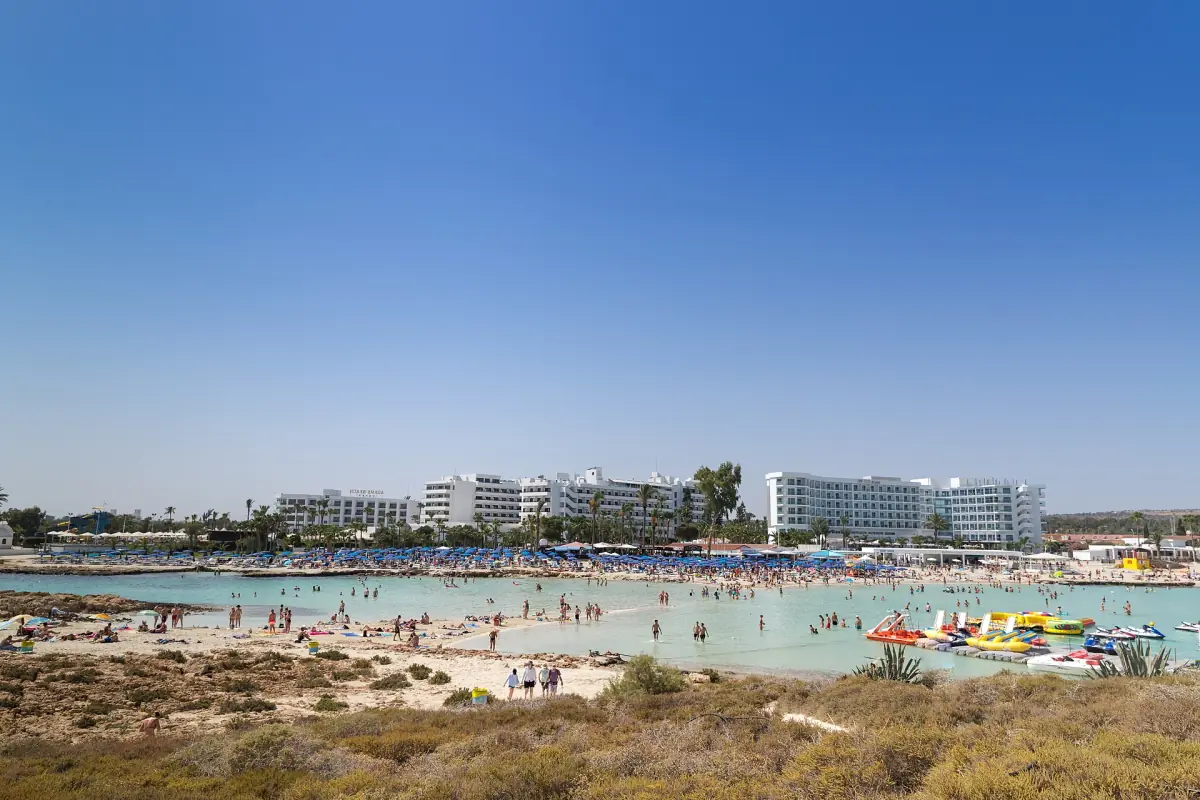
Highs rise from 19.3 °C in March to 26.4 °C in May, and rain drops from 35.8 mm to 9.8 mm. The sea is still cool at 15 to 18 °C. Lifeguard seasons published for Nissi Beach and Coral Bay start in April. This is a comfortable time for towns, ruins and walks.
Summer, June to August
Highs are 30 to 33 °C, nights stay at 19 to 22 °C and rain is close to zero. The sea reaches 21.5 °C in June and 25.5 °C in August. Sightseeing is best early or late. From 16 April to 15 September major archaeological sites stay open until 19:30. Mountain villages are cooler: the Prodromos July high is 27.9 °C.
Autumn, September to November
September is still hot at 30.9 °C with a sea of 24.2 °C. October brings 27.8 °C, a sea of 23.0 °C and 16.0 mm of rain. By November it is 22.6 °C, with 46.8 mm of rain, and flamingos return from November. Lifeguard seasons run to October at Nissi and Coral Bay, and Finikoudes and Mckenzie in Larnaca run from June to October.
Best months by type of trip
| You want | Look at | Why |
|---|---|---|
| Swimming | June to October | The older sea series is at or above 21 °C in these months |
| Beach with lifeguards | April to October, or June to October | Published seasons differ by beach |
| Cities and ruins | March to May, October to November | Lower highs than midsummer |
| Flamingos | November to March | Winter stay at the Larnaca Salt Lake |
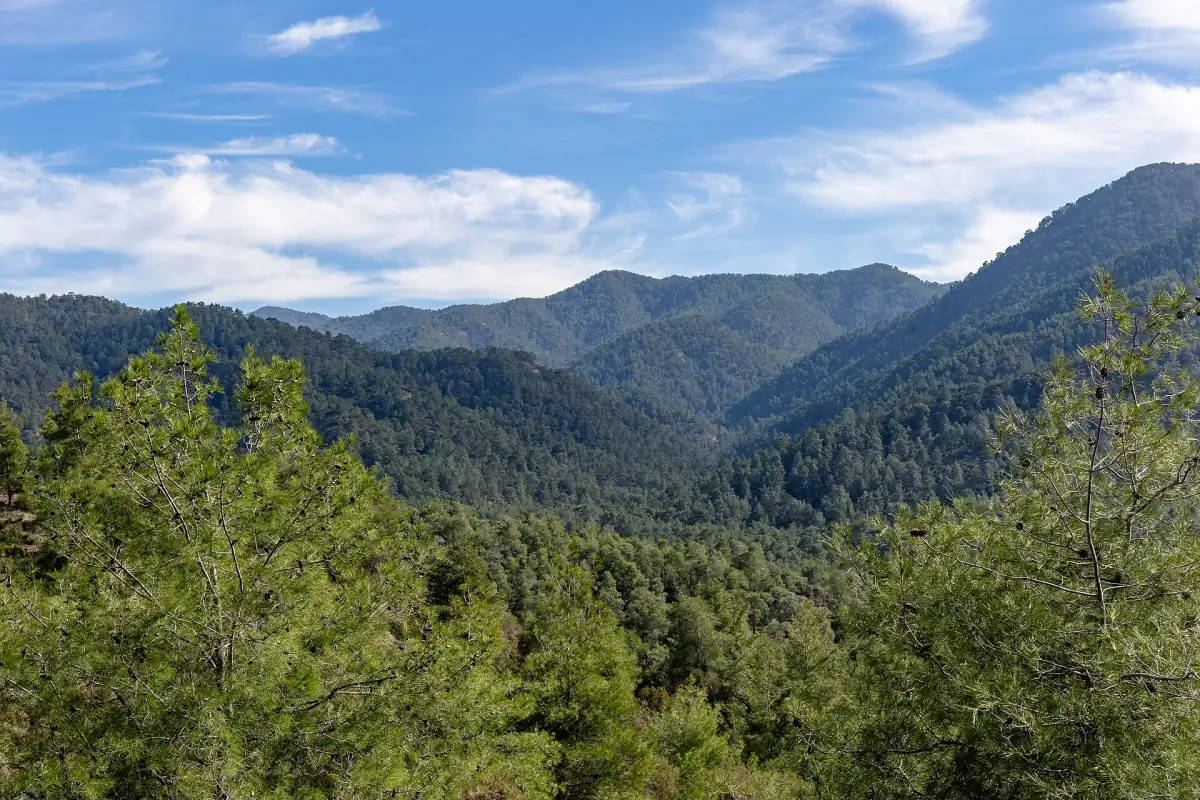
| Hiking in the Troodos | Spring or autumn | Mountain winters are cold and wet |
| Skiing | Winter | Snow is not guaranteed |
For hikes, note that the Kalidonia trail is a linear 3 km walk of about 1.5 hours, rated 3 for difficulty. The Avakas gorge trail on Akamas has been closed since 6 December 2025 until further notice, and its reopening in spring should not be taken for granted.
Safety and practical notes
Weather is only one part of the planning.
Heat and fire risk
British travel advice lists a raised risk of wildfires from April to October. Follow local warnings, especially in forest areas.
Swimming
Follow warning flags and swim in marked areas. Strong currents and waves are possible. Lifeguard months are not a promise of daily cover.
Cape Greco
A jump spot near the sea caves has been fenced off since May 2026 because of injuries and unstable rock. Do not jump from the cliffs.
Where you base yourself matters too, see where to stay.
Plan the rest of your trip
Match the season to the place.
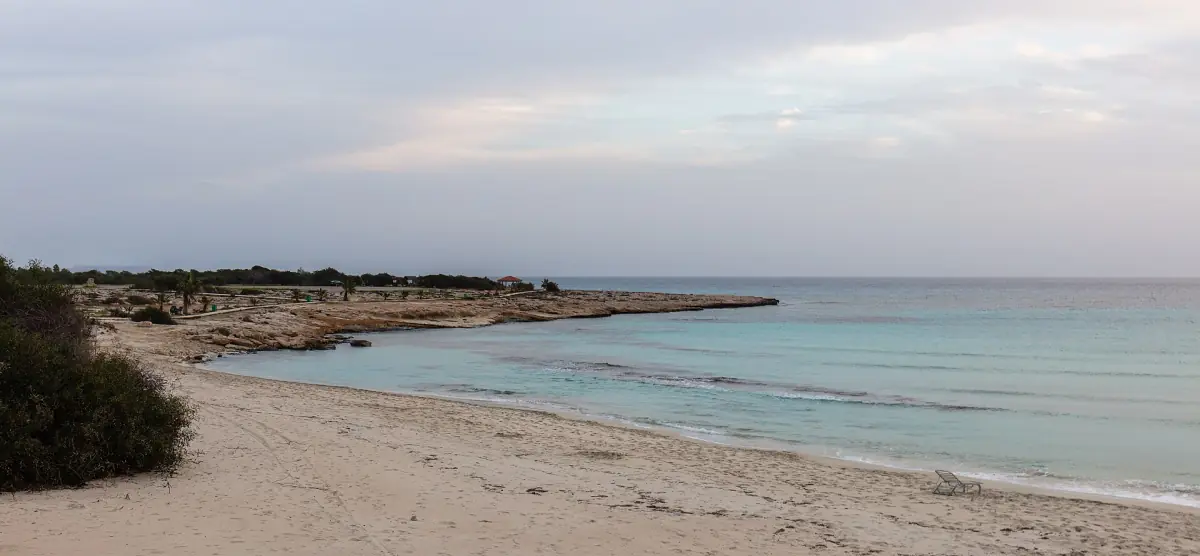
Cyprus beaches
Twelve beaches and bays, with lifeguard seasons and facilities.
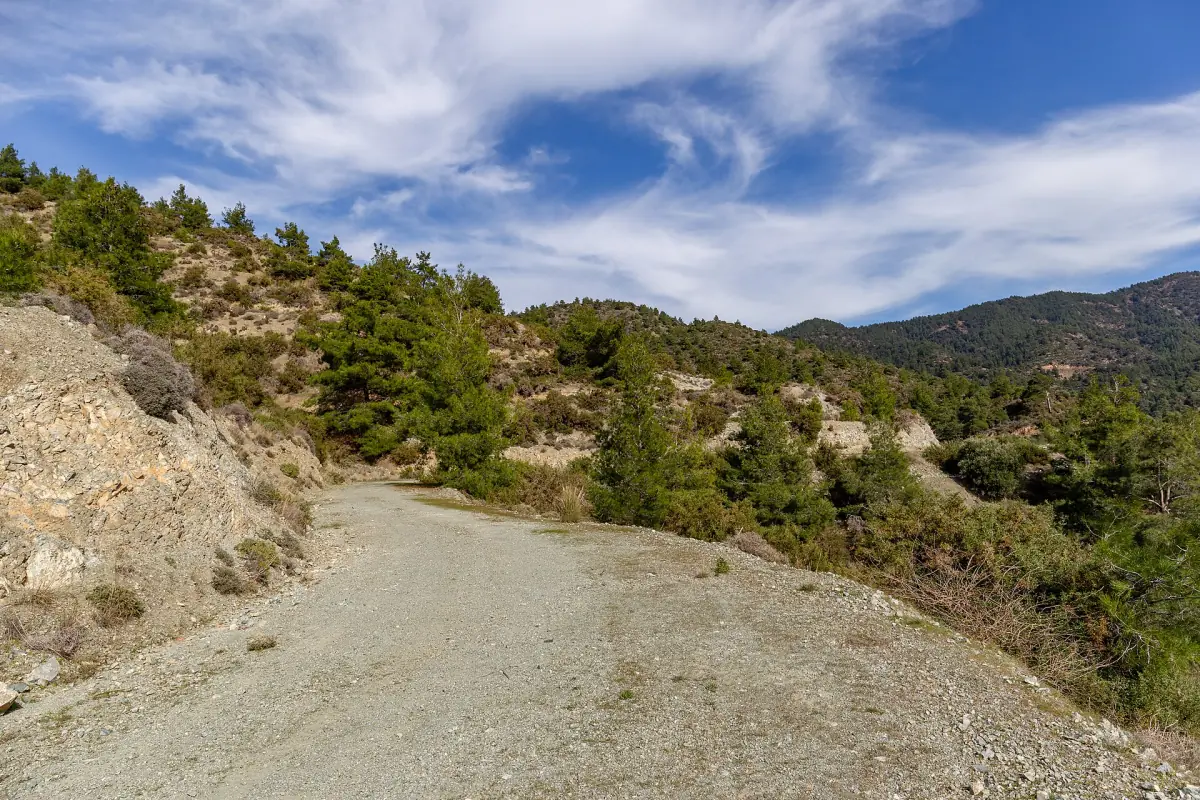
The Troodos Mountains
Villages, painted churches and the Kalidonia trail.
Larnaca Salt Lake
Flamingos from November to March, plus the Church of Lazarus.
Where to stay in Cyprus
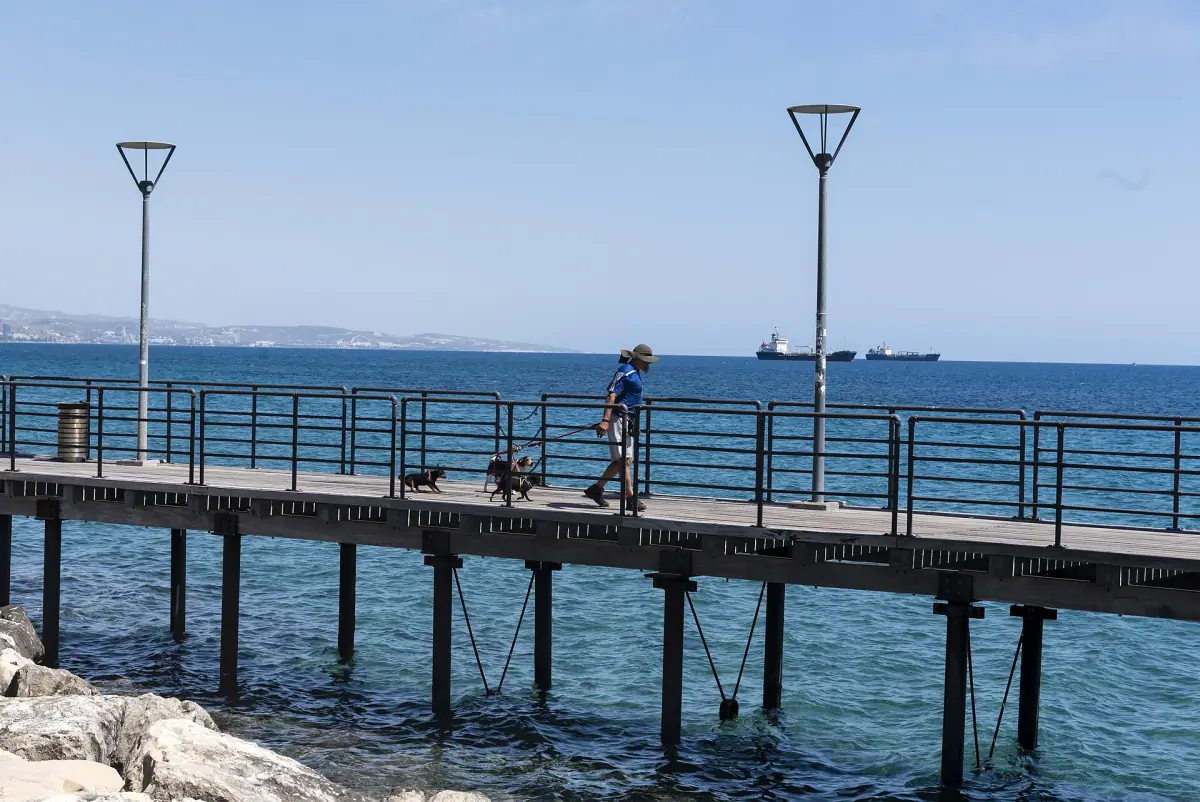
Areas compared by trip type.
Best time to visit Cyprus: frequently asked questions
What is the best month to visit Cyprus?
It depends on your trip. For swimming, June to October has the warmest sea. For towns, ruins and walks, spring and autumn have lower highs than midsummer. Winter is wetter.
How hot does it get in summer?
On the south coast, the average daily high is 32.5 °C in July and 32.9 °C in August, and nights stay around 22 °C. These are averages, so individual days can be hotter.
When is the sea warm enough to swim?
The older Limassol series shows 21.5 °C in June, 25.5 °C in August and 23.0 °C in October. It is 15 to 18 °C from December to May.
When can I see flamingos?
They overwinter at the Larnaca Salt Lake from November to March. If food runs short they may move on, so a sighting is not guaranteed.
Is it cold in the mountains in winter?
Yes. At Prodromos the January average is a high of 6.3 °C and a low of 0.7 °C, with 150.0 mm of rain. Pack accordingly for the Troodos.