
Cyprus in a nutshell
Cyprus is a Mediterranean island with a long season on the coast and snow in the mountains in winter. The south and east have the big resorts around Ayia Napa and Protaras, the west has Paphos and its Roman mosaics, and the middle of the island rises to the Troodos range. Limassol and Larnaca sit on the south coast, and Nicosia lies inland.
The Republic of Cyprus is an EU member but does not exercise effective control in the north. A demarcation line, often called the Green Line, separates the two areas. Cyprus is in the EU but outside the Schengen area, so carry your passport or ID card. Rules differ by nationality, and German authorities state that German citizens can enter with a valid passport or ID card. This site is an independent travel guide and has no link to the tourism ministry, to any authority, to hotels or to tour operators.
The island region by region
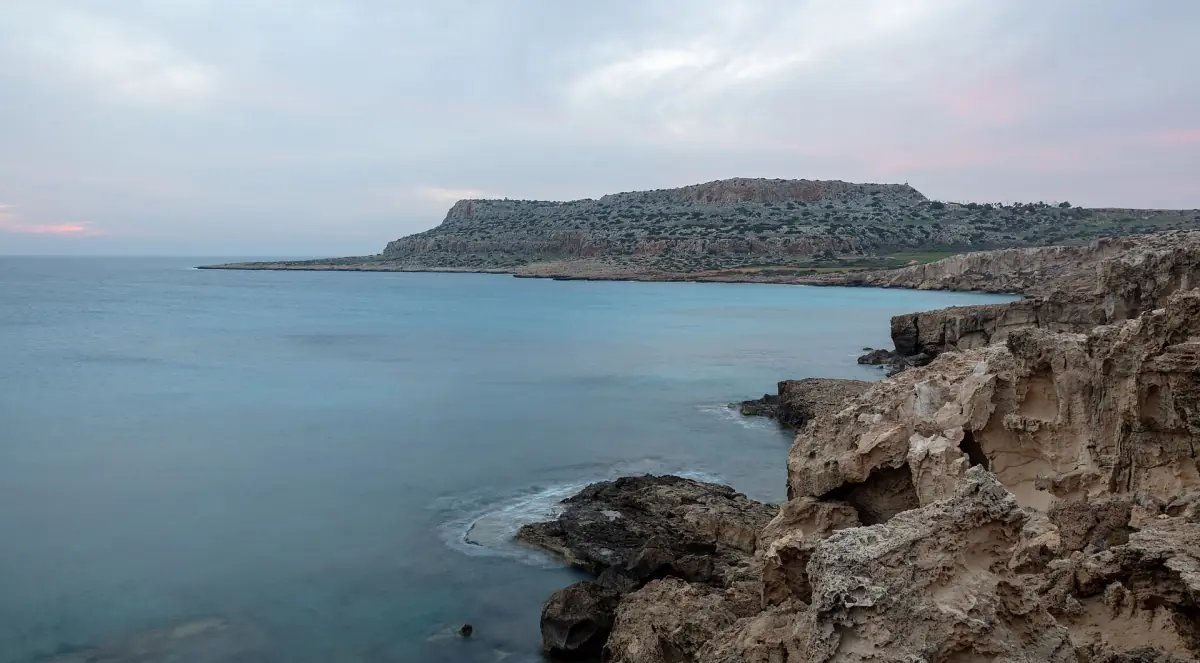
Ayia Napa and Protaras in the southeast are built around sandy beaches such as Nissi Beach and Fig Tree Bay. Cape Greco next door is a National Forest Park on the Natura network with a rocky coast and sea caves.
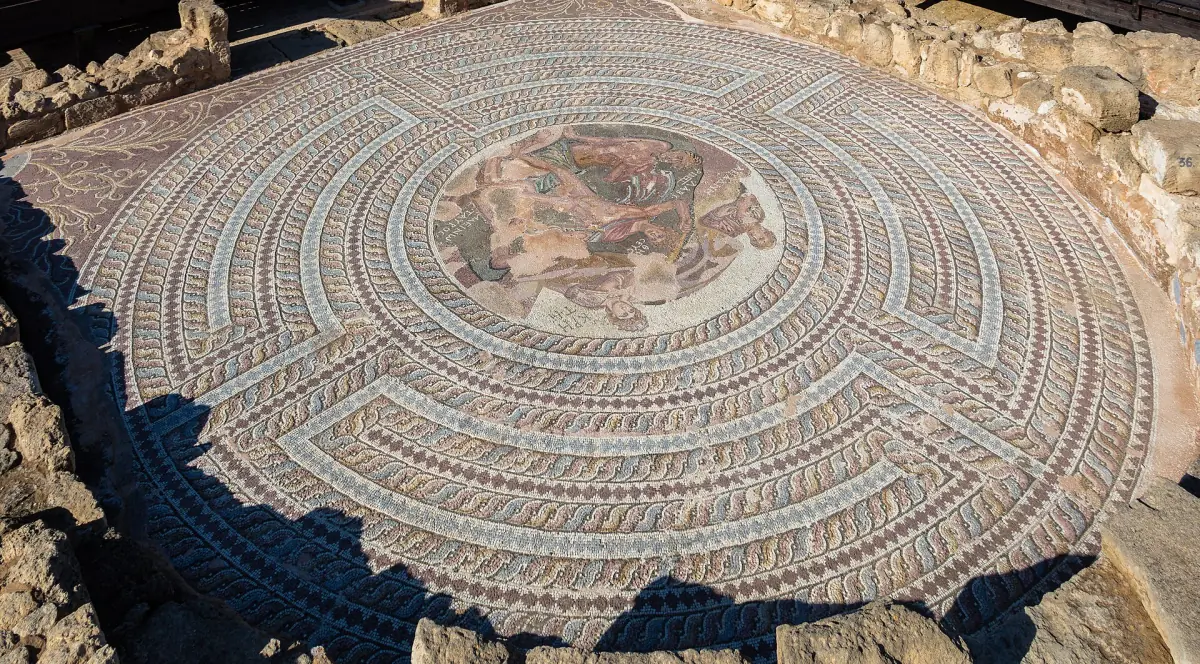
Paphos has the harbour, the castle and the Kato Paphos archaeological park with its mythological floor mosaics. The Tombs of the Kings lie a short way north along the coast. Limassol combines a medieval castle, a marina and the ruins of ancient Amathus. Kourion lies west of the city, and the rock of Aphrodite is on the south-west coast in Paphos district.
Larnaca has a palm-lined city beach, the Church of Lazarus and a salt lake where flamingos winter. The Troodos mountains hold wine villages, trails and ten painted churches on the UNESCO list. Nicosia is the walled capital, and the Akamas peninsula in the northwest is where boats go to the Blue Lagoon.
Our picks: Cyprus tours
A boat trip to the Blue Lagoon, a jeep tour through the Troodos Mountains and a cruise from Ayia Napa.
Hand-picked tours, booked through GetYourGuide. Prices are indicative starting prices in euros (as of October 2026). Tap a tour for live availability and the current price in your currency.
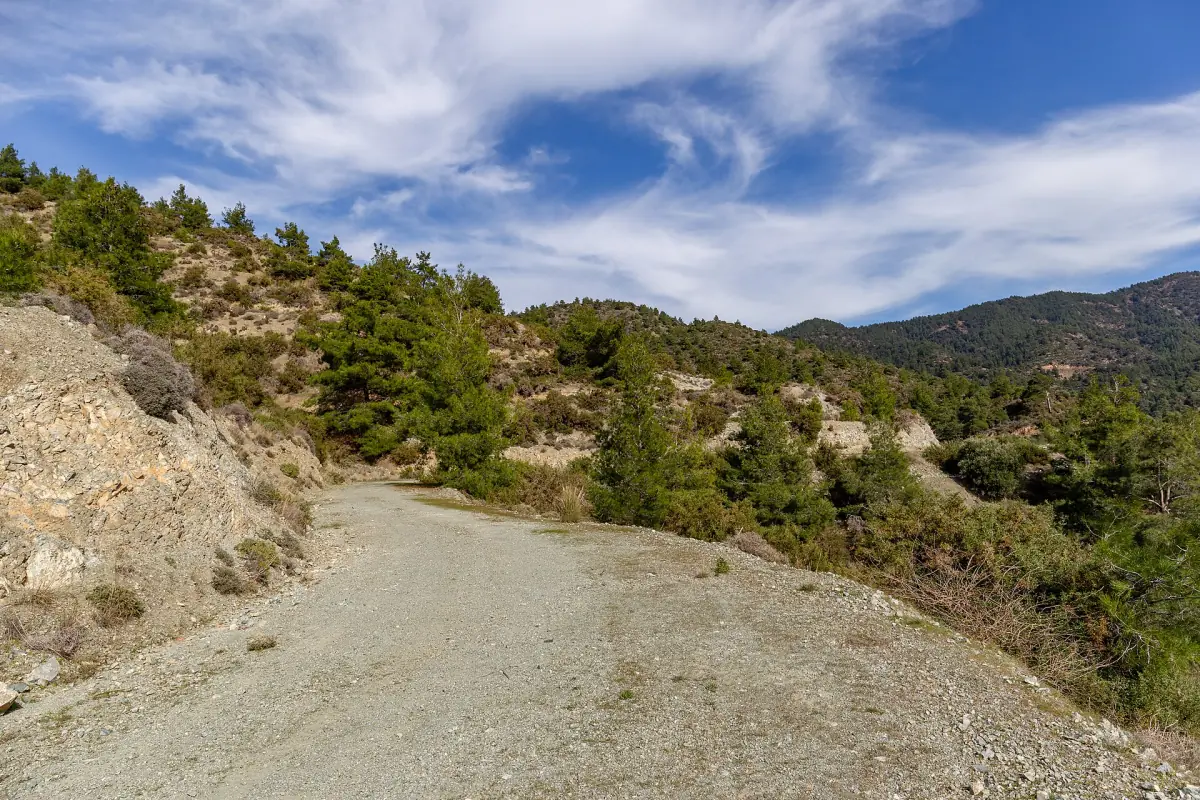
Troodos jeep tour with wine tasting
Jeep transport with a guide, hotel pickup in Paphos and a wine tasting are included.
Check availability →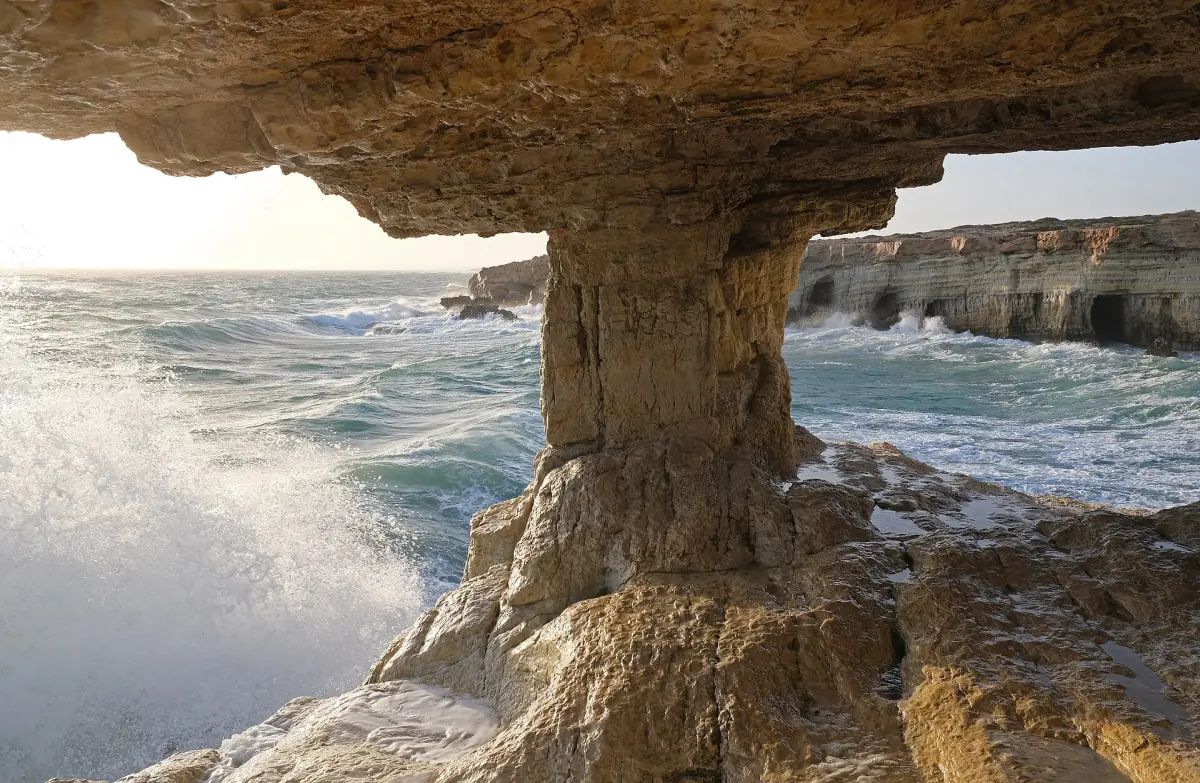
Ayia Napa cruise with Turtle Cove and lunch
A guided boat cruise with lunch and two swim stops.
Check availability →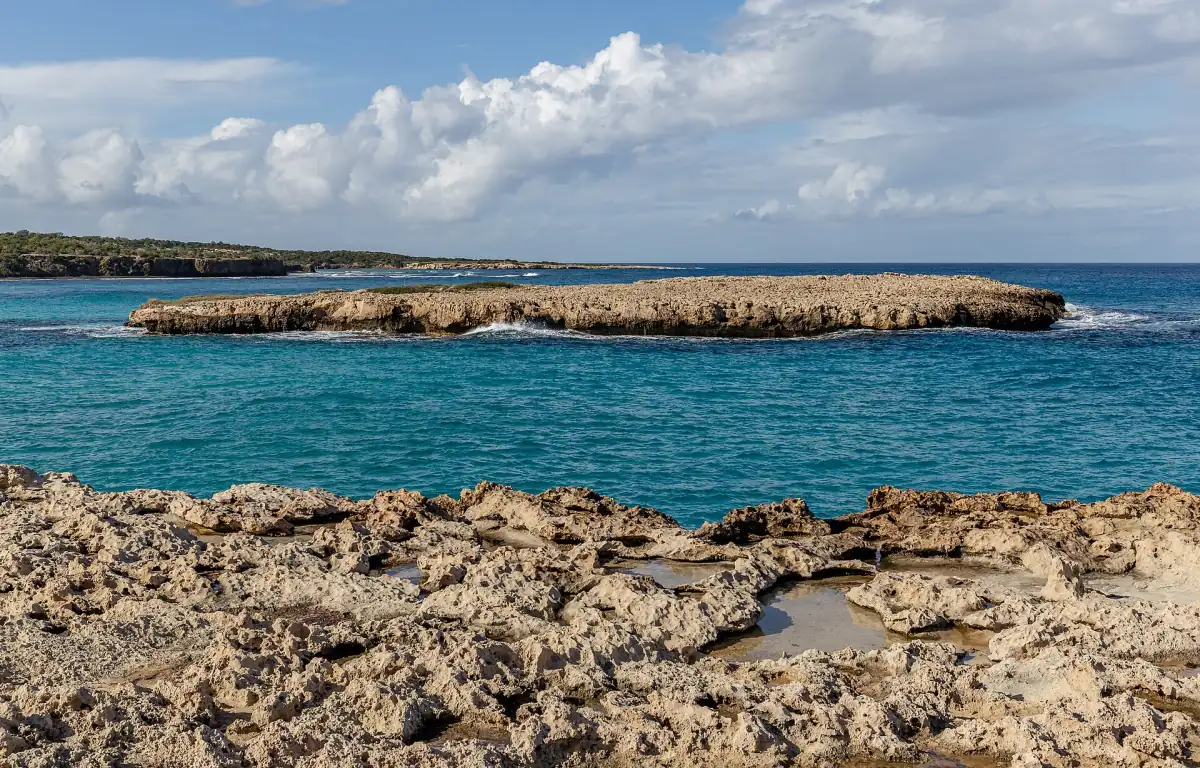
Blue Lagoon and Akamas from Paphos
Hotel transfer, an air-conditioned vehicle, a boat trip, Blue Lagoon access and seasonal fruit and wine after swimming are included. Water, towels and other food and drinks are not.
Check availability →Cyprus tours and day trips
Boat trips to the Blue Lagoon, island day trips, village visits and guided tours, with live prices and availability.
Plan your trip
The overview pages, in the order most visitors need them.
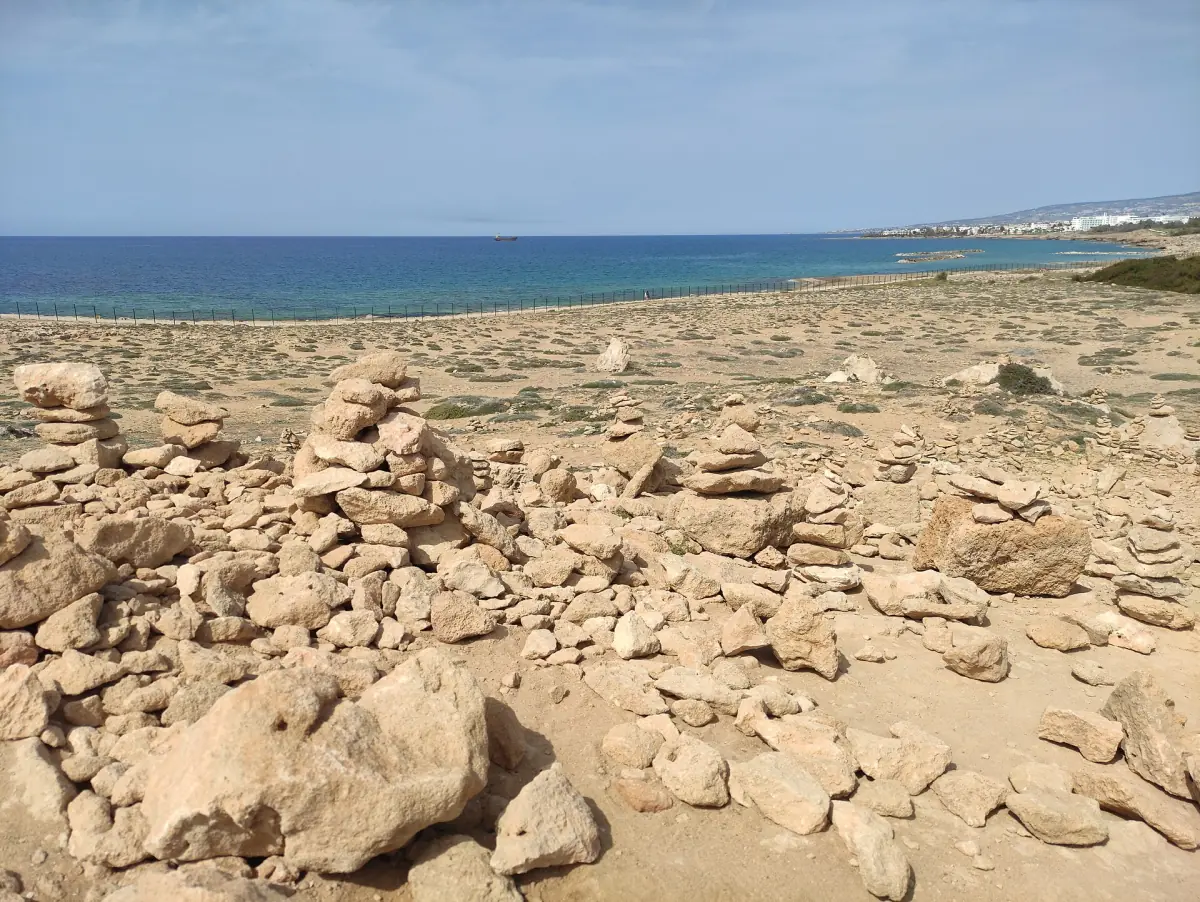
Things to do in Cyprus
Fifteen experiences from the Paphos mosaics and Kourion to the Larnaca salt lake and the Troodos churches.
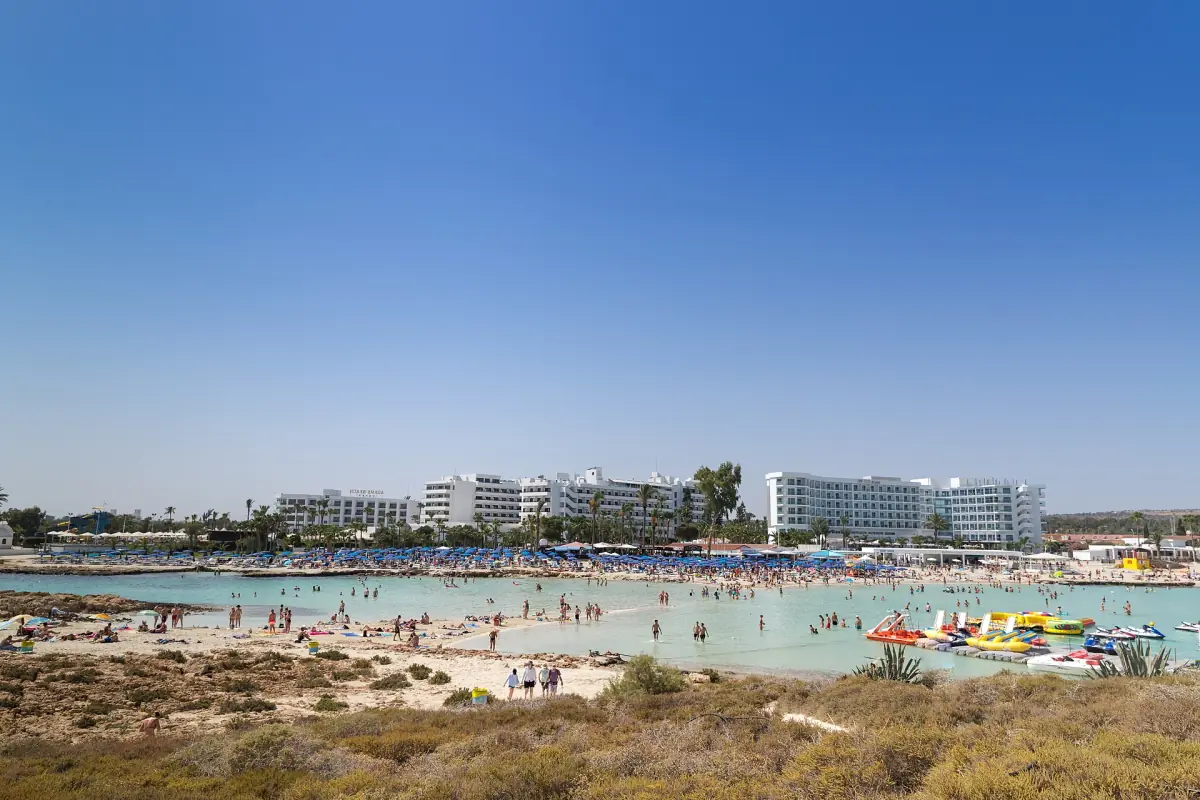
Cyprus beaches
Twelve beaches and bays, with what each one has and when lifeguards are published.
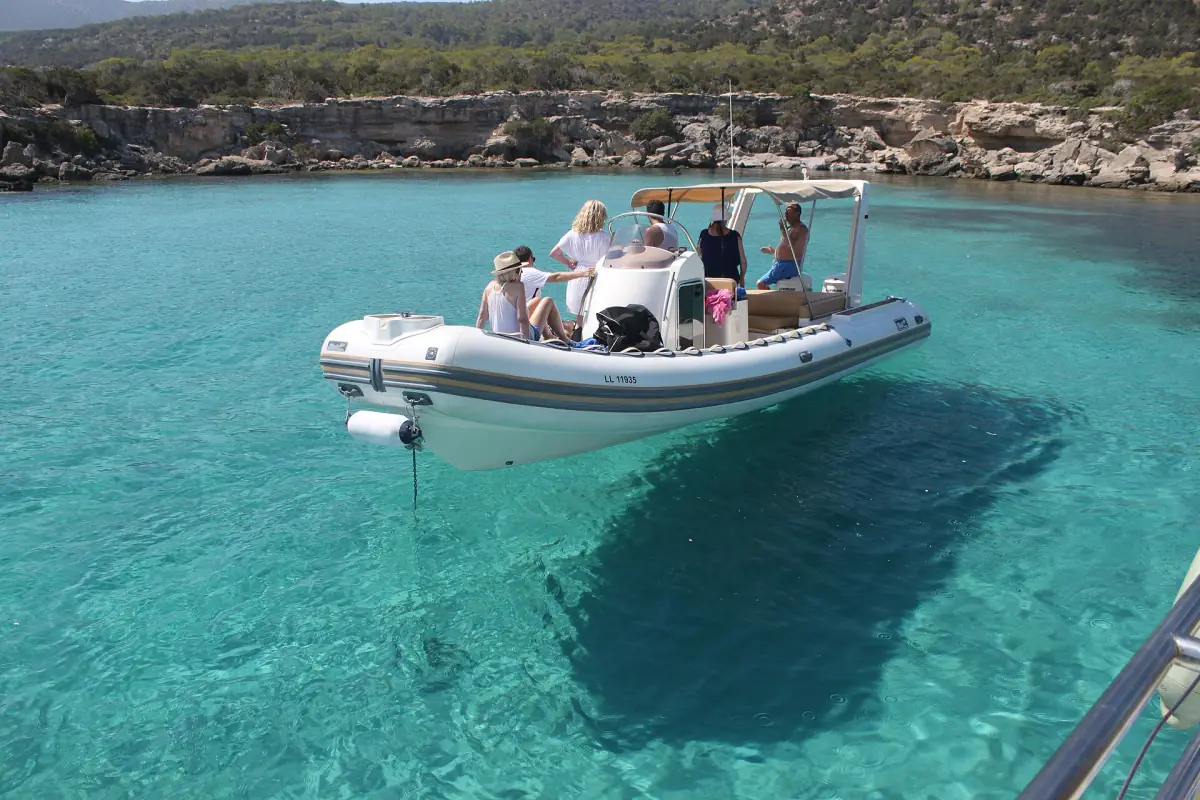
Cyprus tours
Boat trips, jeep safaris and day trips, and what to check before you book.
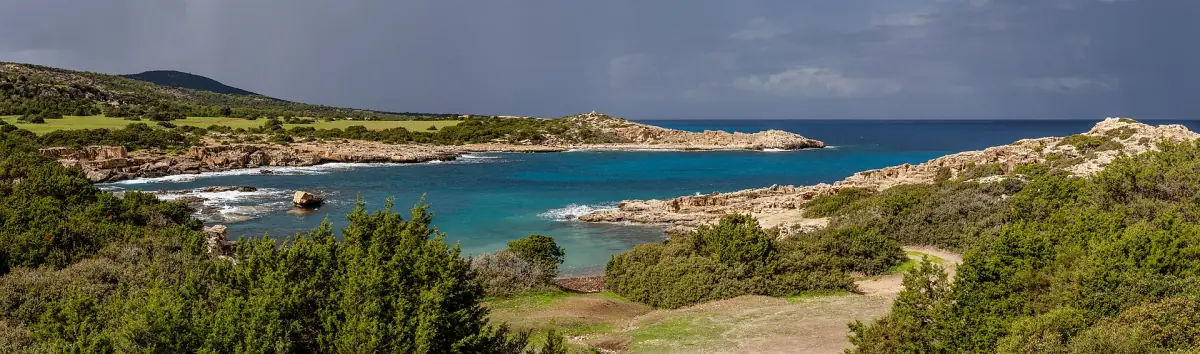
Best time to visit
Monthly temperatures and rainfall, and what they mean for beaches, hiking and cities.
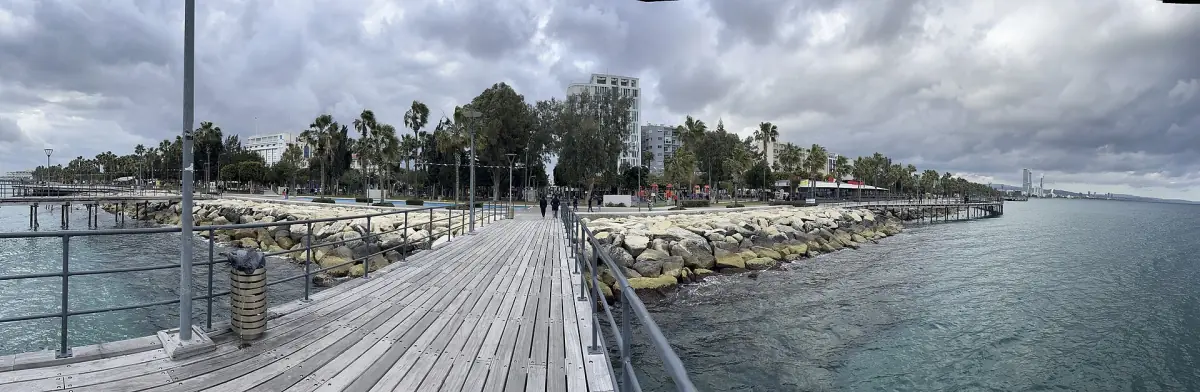
Where to stay
The main areas compared by setting, from resort bays to mountain villages.
Places in Cyprus
Each page covers one town or area, with opening hours and entry prices.
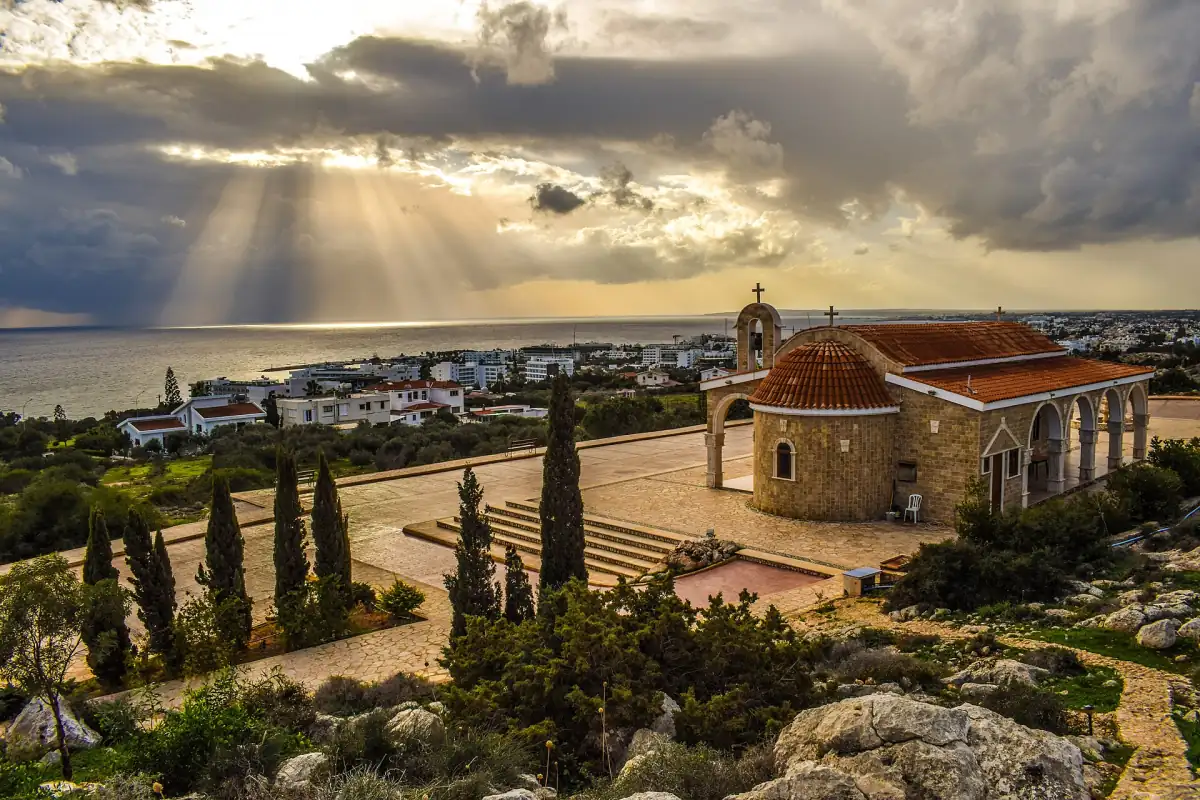
Ayia Napa and Cape Greco
Resort beaches, the Cape Greco forest park and the neighbouring bays of Protaras.
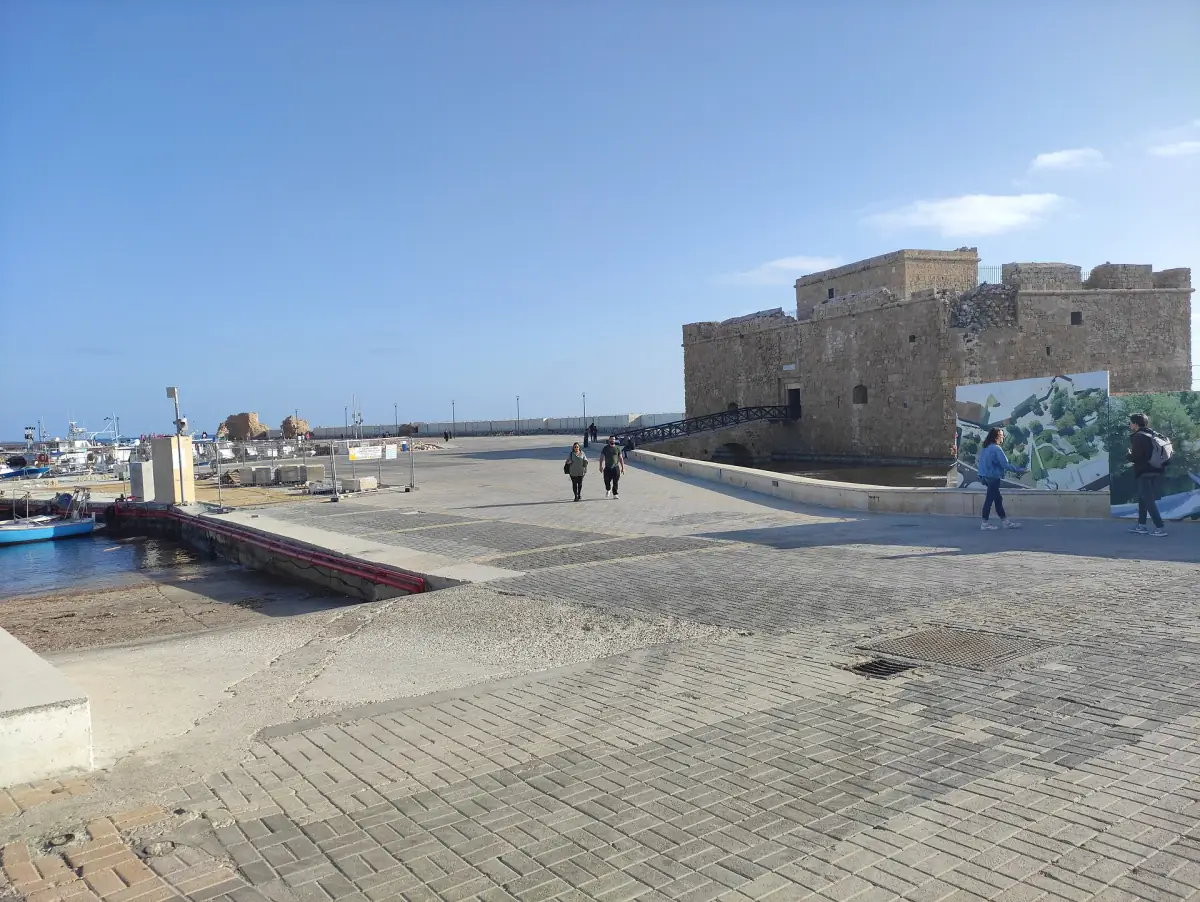
Paphos
Mosaics, the Tombs of the Kings, the old town and the harbour castle.
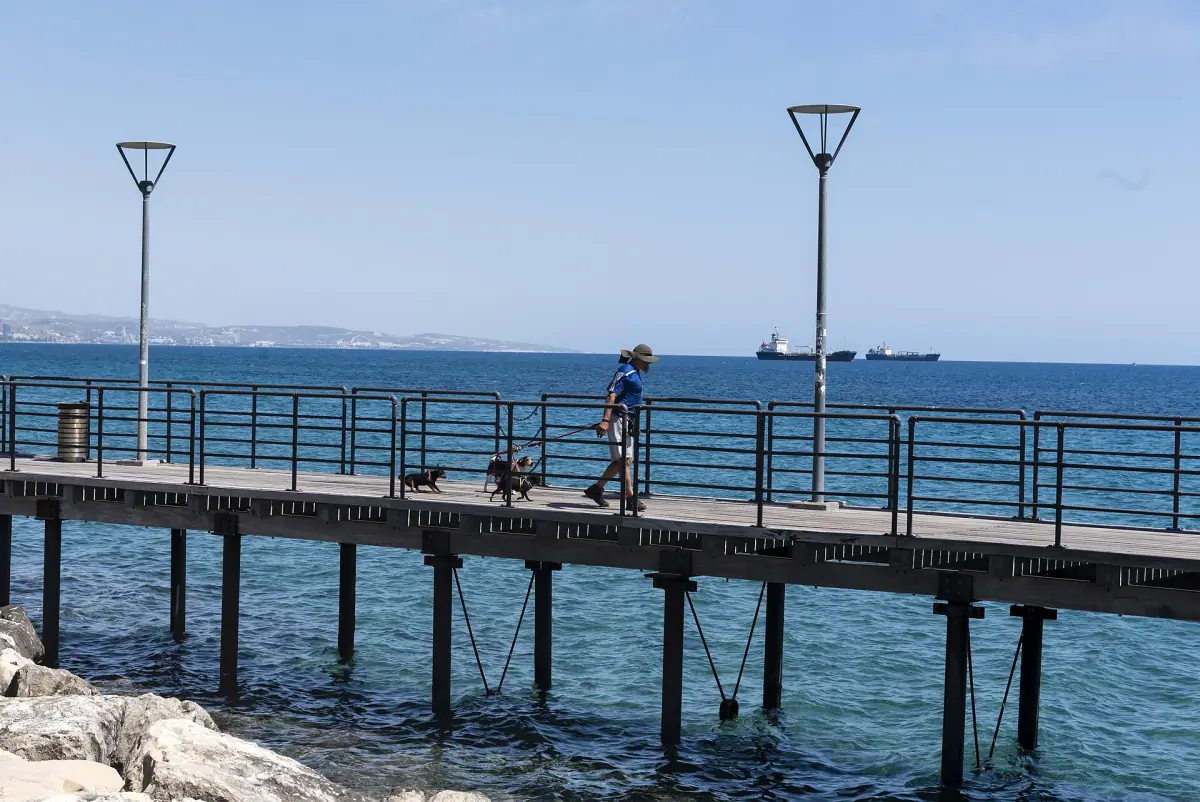
Limassol
The castle, the old harbour, the marina and the ruins of Amathus.
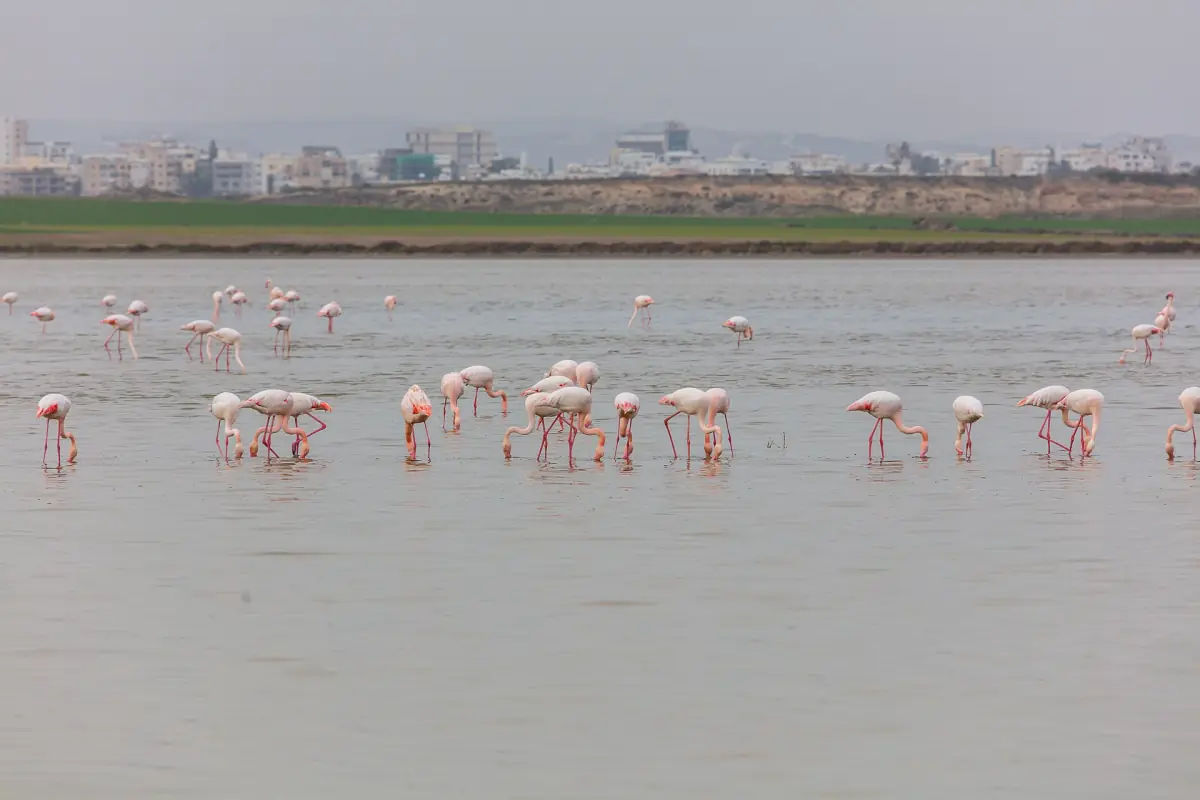
Larnaca
The salt lake, the Church of Lazarus, Hala Sultan Tekke and Finikoudes beach.
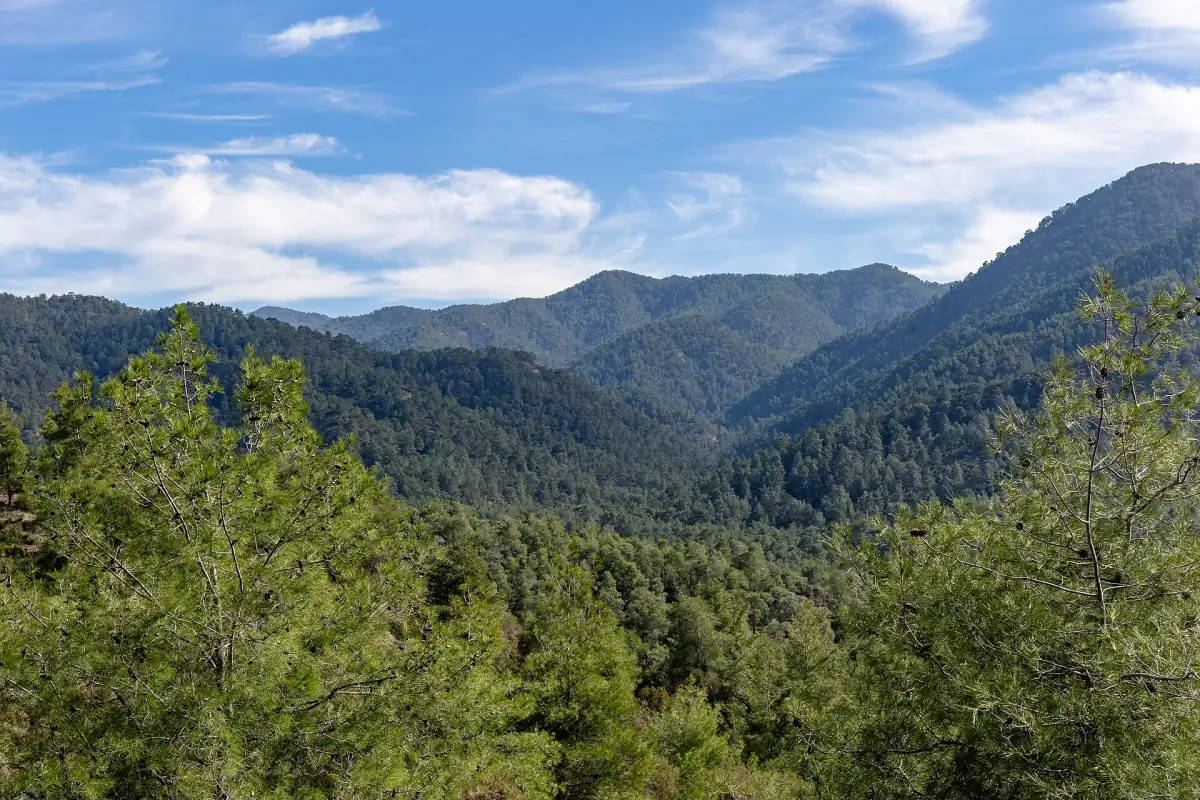
Troodos
Wine villages, painted churches and the Kalidonia trail to a waterfall.
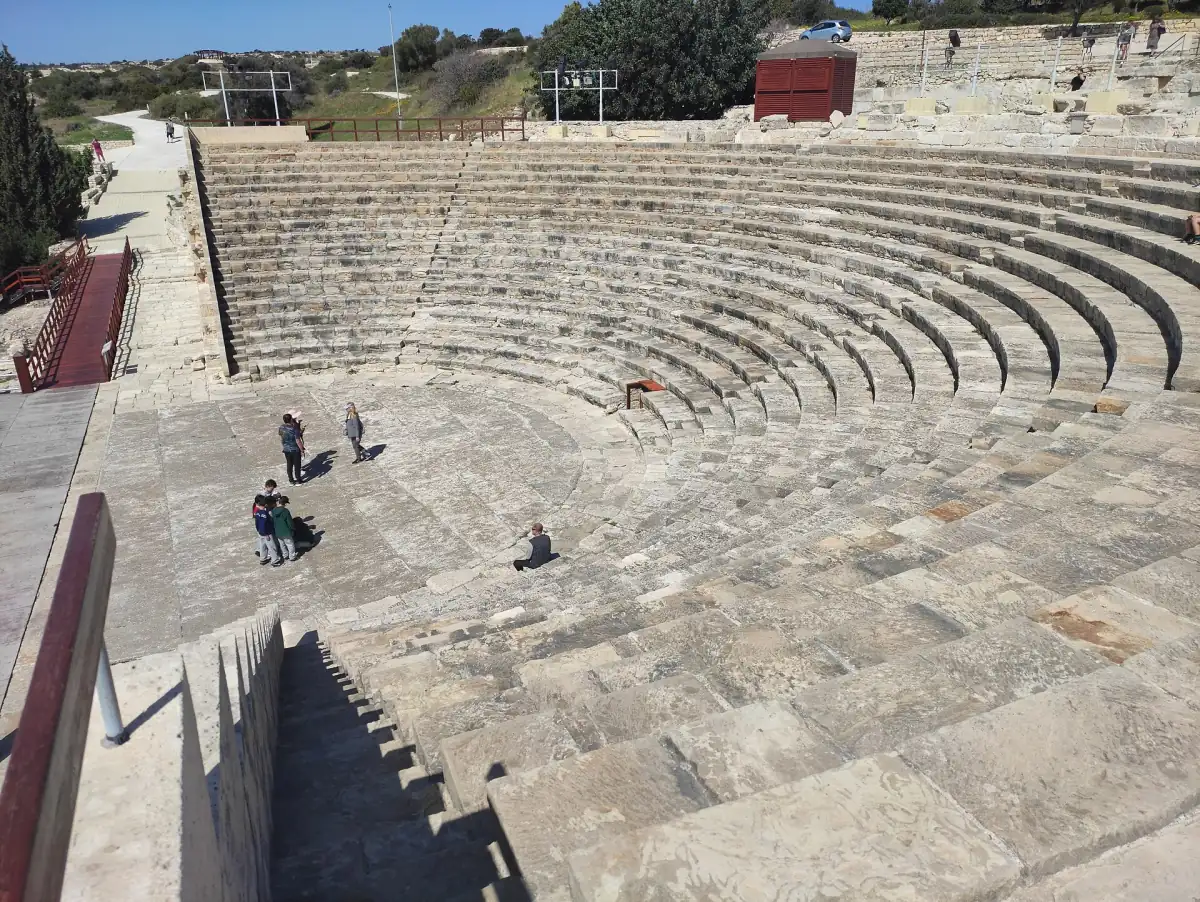
Kourion and Aphrodite's Rock
The ancient theatre above the sea and the legendary birthplace of Aphrodite.
Blue Lagoon and Akamas
Boat trips from Latchi, closures to know about and how to plan the day.
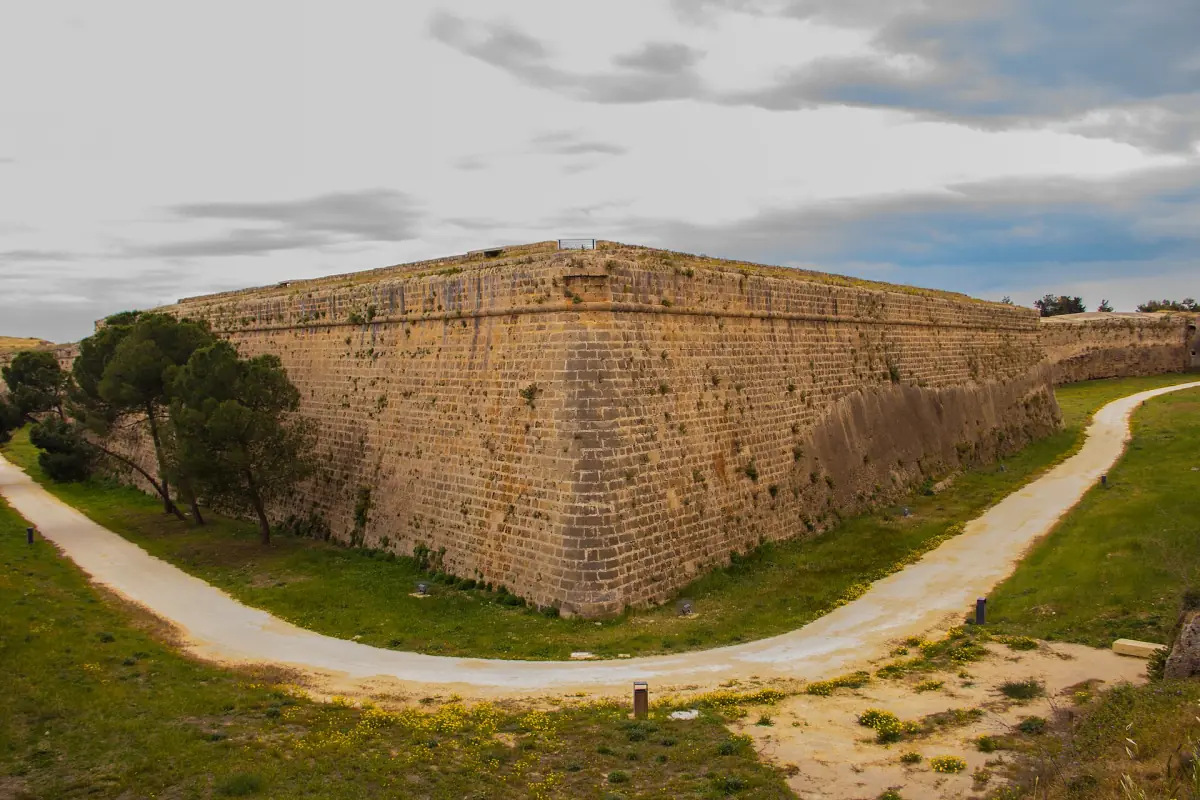
Nicosia
Venetian walls, the Cyprus Museum and the pedestrian crossing at Ledra Street.
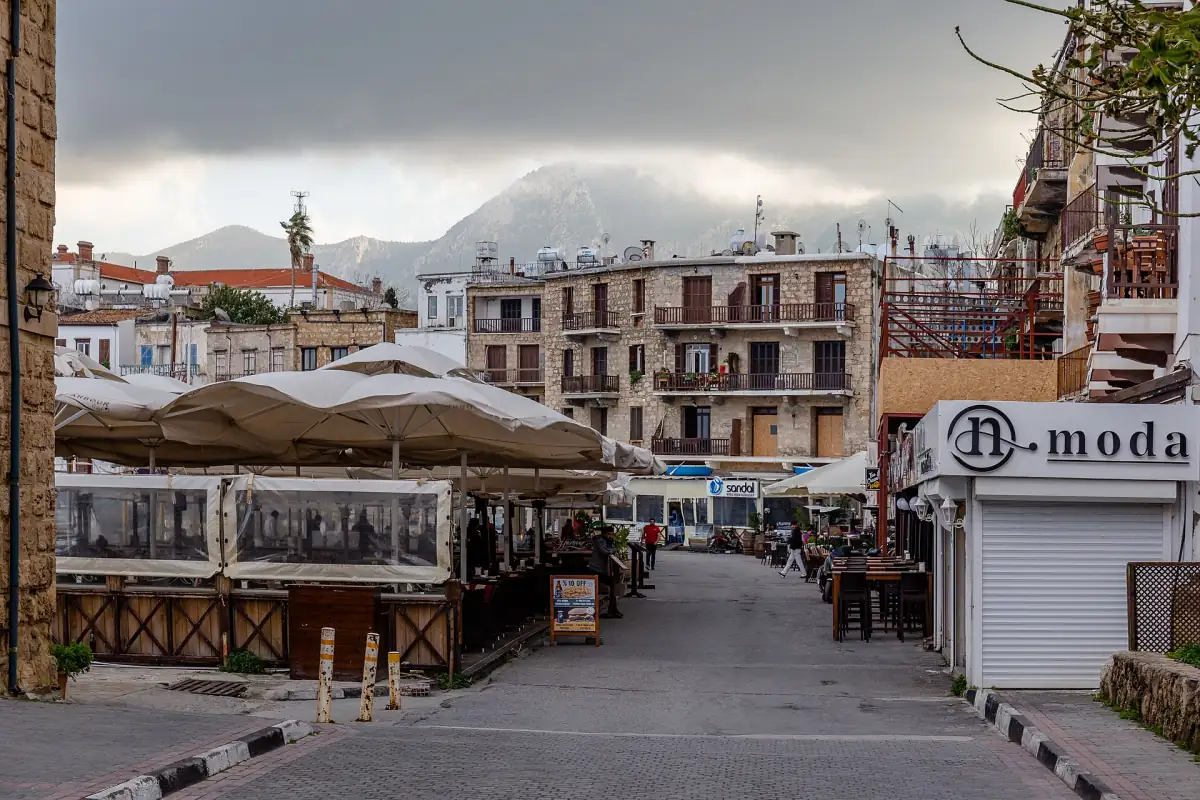
North Cyprus
Crossing points, documents, rental car insurance, Famagusta (Gazimağusa) and Kyrenia (Girne).
Getting around the island
A rental car gives the most freedom, especially for Troodos and the Akamas peninsula. Drive on the left, watch the signed speed limits and read your rental contract, because some contracts exclude certain areas or crossing points. Large rental firms operate at Larnaca and Paphos airports.
Intercity buses link the main towns. Adult single fares published from April 2025 are €5 for Larnaca to Nicosia, Larnaca to Limassol and Limassol to Paphos, €6 for Nicosia to Limassol and €8 for Nicosia to Paphos. Returns cost €9 on the €5 routes, €11 for Nicosia to Limassol and €15 for Nicosia to Paphos. Paper single tickets are sold on the bus. Local buses in the Ayia Napa area charge €2 per ride by day and €3 at night, and a single in Paphos is also €2.
Public transport is thinner in the mountains and on the Akamas peninsula, and timetables change with the season. Check the current timetable before you go. For the transfer from the airports, see the pages on Larnaca and Paphos.
Visiting the north
You can visit north Cyprus from the south. Ledra Street and Ledra Palace in Nicosia are pedestrian crossings. Further crossings, among them Agios Dometios and Pergamos, appear on the customs list, so check the current status of the one you plan to use. Use only designated crossings, carry your passport or ID card and do not photograph military installations.
Rental cars hired in the south often come without cover for the north, so ask for the insurance documents you need before you cross. The page on north Cyprus sets out the rules by nationality and the sights in Kyrenia (Girne), Bellapais and Famagusta (Gazimağusa).
Cyprus: frequently asked questions
Is Cyprus in the Schengen area?
No. Cyprus is an EU member, but it is not part of the Schengen area. Carry a valid passport or ID card whatever your nationality, and also at checks on the Green Line.
How many days do you need in Cyprus?
That depends on the kind of trip. A beach week fits one resort area such as Ayia Napa or Paphos. To see the mosaics of Paphos, Kourion, a Troodos village and Nicosia you need a rental car or tours and a few more days. The page on things to do lists 15 places to choose from.
When is the best time to visit Cyprus?
On the south coast, average daily highs run from 16.8 °C in January to 32.9 °C in August, with most rain from November to March (1981–2010 normals). Spring and autumn are cooler than midsummer. See best time to visit for the monthly table.
Do I need a rental car in Cyprus?
A car helps most in the Troodos mountains and on the Akamas peninsula. Intercity buses link the main towns, and city buses cover the resort areas. Rental firms set their own conditions for deposit and excess, so read the contract. Cyprus drives on the left, and some contracts exclude certain areas.
Can I visit north Cyprus from the south?
Yes, at the designated crossing points, with a passport or ID card. Ledra Street and Ledra Palace in Nicosia are for pedestrians. A car hired in the south usually needs extra insurance for the north. Details are on the north Cyprus page.
Is this the website of the Cyprus tourism ministry?
No. This is an independent travel guide. It is not run by the Deputy Ministry of Tourism, the Department of Antiquities, any authority in the north, or any hotel or tour operator. Prices and hours are the published ones at the time of writing, so check them before you go.